•
12 Mins Read





Gallup's 2026 State of the Global Workplace research found that leaders (defined as managers of managers) rate their overall lives higher and feel more engaged at work than the people who report to them. But on any given day, they also report more stress, anger, sadness, and loneliness than individual contributors. The two findings aren't a contradiction. They're measuring different things: how someone judges their life overall, and how they actually feel hour to hour.
Table of contents
The paradox, explained
How Gallup measured this
What leaders feel more of, day to day
Where the pattern breaks: the US exception
Why the gap exists
Engagement is the lever that changes this
What organizations can actually do about it
Common misreadings of this research
FAQs
Conclusion
The paradox, explained
Ask a senior leader how their life is going overall, and they're likely to rate it highly. Ask them how yesterday actually felt, and a different picture shows up: more stress, more anger, more sadness, more loneliness than the people they manage report feeling on the same day.
That's the core finding from Gallup's 2026 State of the Global Workplace research, and it's worth sitting with because it cuts against a common assumption in leadership development, that being engaged and satisfied at work should track fairly closely with a good day-to-day emotional experience. For leaders, apparently, it often doesn't.
The 6 Goleman Leadership Styles Explained
How Gallup measured this
The finding comes from two different kinds of questions Gallup asks in its World Poll, and understanding the distinction matters for interpreting the result correctly.
The first is a life evaluation question: respondents rate their current life and their expected life five years from now on a 0 to 10 scale. People who rate their current life a 7 or higher, and their future life an 8 or higher, are classified as "thriving." The second is a daily experience question: whether respondents felt specific emotions, like stress, anger, sadness, or enjoyment, "a lot" during the previous day.
Gallup's leadership analysis drew on 2025 World Poll data covering 9,880 people who identified themselves as leaders managing other managers, comparing their answers against those of individual contributors, project managers, and other managers. The gap between the two question types is exactly what produces the paradox: leaders score better on the reflective, big-picture question and worse on the immediate, day-to-day one.
What leaders feel more of, day to day
Compared with individual contributors, leaders were meaningfully more likely to report negative emotions the previous day.
Emotion | Leaders vs. individual contributors |
Stress | +7 percentage points |
Anger | +12 percentage points |
Sadness | +11 percentage points |
Loneliness | +10 percentage points |
On the positive side, the pattern also runs against leaders. They were less likely than individual contributors to say they smiled or laughed a lot the previous day, and less likely than managers one level down to report genuine enjoyment. Meanwhile, on the life evaluation side, leaders came out ahead by a wide margin: separate reporting on this same research found 43% of leaders classified as thriving in life, compared with under a third of individual contributors.
Put together, leaders are living better lives by their own overall judgment while experiencing worse individual days than the people below them in the org chart.
The US exception
The global pattern doesn't hold everywhere. In the United States specifically, leaders report fewer negative daily emotions than the people they manage, the reverse of the global trend. US leaders also report lower negative emotions overall than leaders globally, with one notable exception: stress, which stayed elevated for US leaders even where other negative emotions didn't.
That regional split is a useful reminder that global averages can mask real differences in how leadership is experienced depending on culture, workplace norms, and economic context. A leadership development program built entirely on the global averages might miss what's actually happening inside a specific country's workforce.
Why the gap exists
Gallup's explanation points to two forces pulling in opposite directions.
On the upside, leadership roles come with real psychological benefits: higher status, more agency over decisions, and a stronger sense that one's opinion is valued. Leaders are also typically paid more, and Gallup's broader research consistently links higher income to higher life evaluation. Together, these likely explain why leaders report more engagement and higher overall life satisfaction than the people they manage.
On the downside, the same roles carry real costs. Leaders operate with more social distance from colleagues, since organizational hierarchy naturally limits how freely people below them share concerns or vent frustrations. They also carry the weight of high-stakes, sometimes unpopular decisions, frequently made with incomplete information. Layer onto that the broader shifts the workplace has gone through since the pandemic, more remote and hybrid work, rapid AI-driven change, and a more volatile geopolitical backdrop, and the daily emotional cost of the role becomes easier to understand.
Engagement is the lever
Here's the part of the research with the most practical value: leader engagement doesn't just track with life satisfaction, it directly reduces the daily emotional toll of the job.
Gallup found that engaged leaders report negative emotions at rates comparable to, or even lower than, individual contributors. The gap is largest for loneliness: engaged leaders report 21 percentage points less daily loneliness than disengaged leaders. That's a substantial swing, and it lines up with Gallup's broader body of research linking engagement to lower reported loneliness across the workforce generally, not just among leaders.
The mechanism isn't mysterious. Leaders who are engaged tend to find their work genuinely absorbing, enjoy the people around them, and feel connected to their organization's purpose, all of which are the same things that buffer against isolation in any role.
What organizations can actually do about it
Most leadership development effort goes toward helping leaders drive engagement in the people below them. This research suggests that's an incomplete strategy: leader engagement itself deserves direct investment, both because it protects the leader and because Gallup's research finds a cascade effect, engaged leaders tend to produce more engaged teams underneath them.
Gallup frames engaged leadership around four core responsibilities. Leaders need clarity on their organization's purpose and who it actually serves. They need to inspire hope, trust, stability, and compassion across their teams, the same four needs Gallup's broader leadership research consistently finds employees look for from the people above them. They need to make decisions with real awareness of their own strengths and blind spots, rather than assuming authority substitutes for self-knowledge. And they need a clear, shared definition of what excellent performance actually looks like, paired with real accountability to that standard.
Building leadership development around those four areas, rather than treating engagement as something leaders are only responsible for creating in others, is the practical takeaway from this research.
Common misreadings of this research
Assuming leaders are simply "faking" high life satisfaction. The data doesn't support that reading. Life evaluation and daily emotion are measuring genuinely different things, not competing claims about the same underlying reality.
Concluding that leadership is uniformly harder everywhere. The US data runs opposite to the global pattern, which means regional and cultural context changes the picture substantially. Global averages shouldn't be applied uncritically to a specific country's workforce.
Treating this as an argument against promoting people into leadership. The research points toward investing in leader engagement, not avoiding leadership roles. Engaged leaders largely close the daily-emotion gap with individual contributors.
Ignoring the loneliness finding specifically. At a 21-point swing, loneliness shows the largest response to engagement of any emotion Gallup measured, which makes it a particularly useful signal for organizations trying to identify at-risk leaders early.
FAQs
What does "leaders have better lives but worse days" actually mean? It means leaders rate their overall life more highly than the people who report to them, but report more negative emotions like stress, anger, sadness, and loneliness on a given day. The two measures capture different things: a reflective judgment about life overall versus an immediate daily emotional experience.
Who counts as a "leader" in this Gallup research? Gallup defines leaders in this analysis as managers of managers, distinct from individual contributors, project managers, and managers who don't oversee other managers. The findings are based on 2025 World Poll data covering 9,880 people who identified themselves this way.
Does this pattern hold in every country? No. In the United States specifically, leaders report fewer negative daily emotions than the people they manage, the opposite of the global trend, though US leaders still report elevated stress relative to other negative emotions.
Can engagement actually reduce the emotional toll of leadership? Gallup's research suggests yes. Engaged leaders report negative emotions at rates comparable to or lower than individual contributors, with the largest effect showing up in loneliness, a 21-percentage-point gap between engaged and disengaged leaders.
Conclusion
The instinct in most organizations is to pour development resources into helping leaders engage the people below them, and treat the leaders themselves as already fine. Gallup's research suggests that instinct has it backward, or at least incomplete. Leaders are living better lives by their own account and having harder days by almost every other measure, and the gap between those two facts narrows substantially when leaders themselves are genuinely engaged. Treating leader engagement as its own priority, not just a side effect of leaders doing their jobs well, is the practical shift this research points toward.
Great leaders don't just create engagement. They need it too.
At Oraton Executive Communication Coach, we help leaders practice the conversations that build confidence, resilience, and trust before the hardest days arrive.
Previous
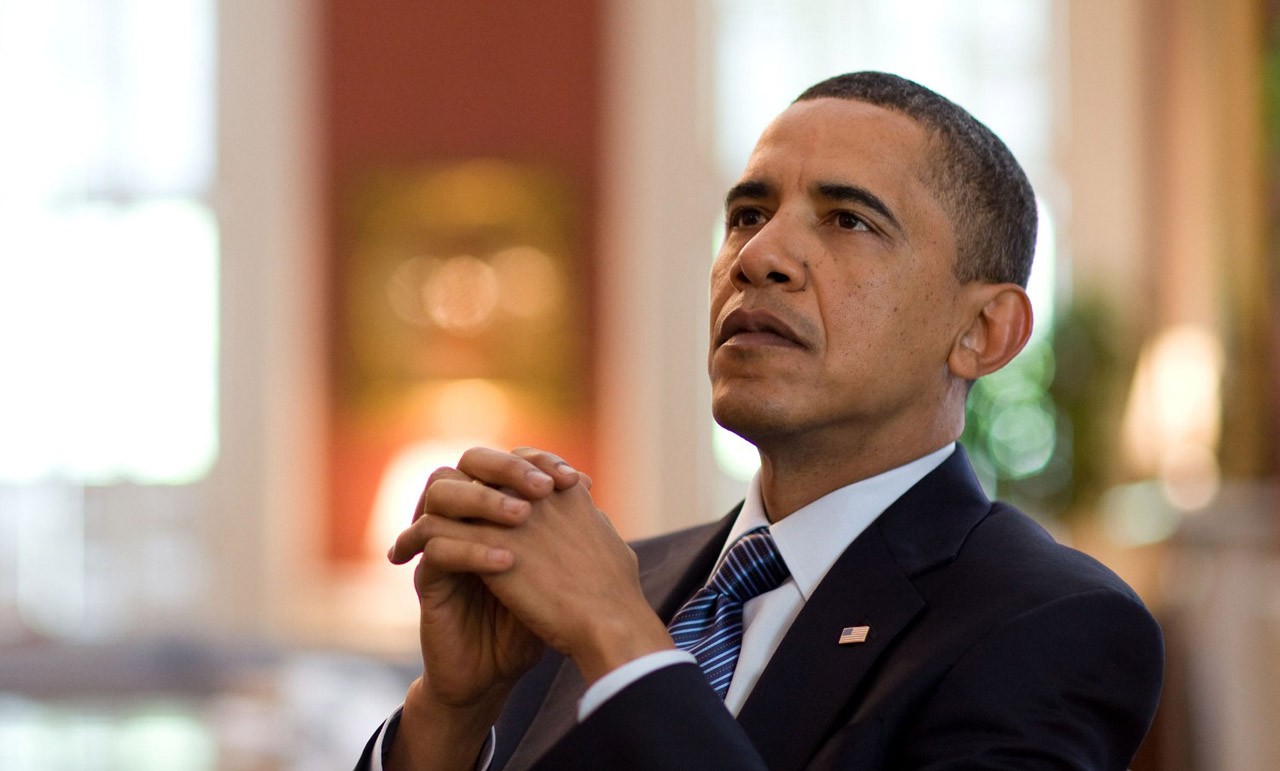
Obama's 2009 Prague speech offers a masterclass in leadership communication. Rather than leading with facts and policy, Obama first built belief in a future that seemed impossible…
Next

Keir Starmer's challenge wasn't simply improving relations with Europe. It was ensuring that the strategy remained credible even if the person leading it changed.